
Warner Tests Recycled Vinyl on 10,000 Unsold Records
Warner Music and GZ Media re-pressed about 10,000 unsold LPs with up to 100% recycled PVC. Blind listening tests found no meaningful loss in sound quality.
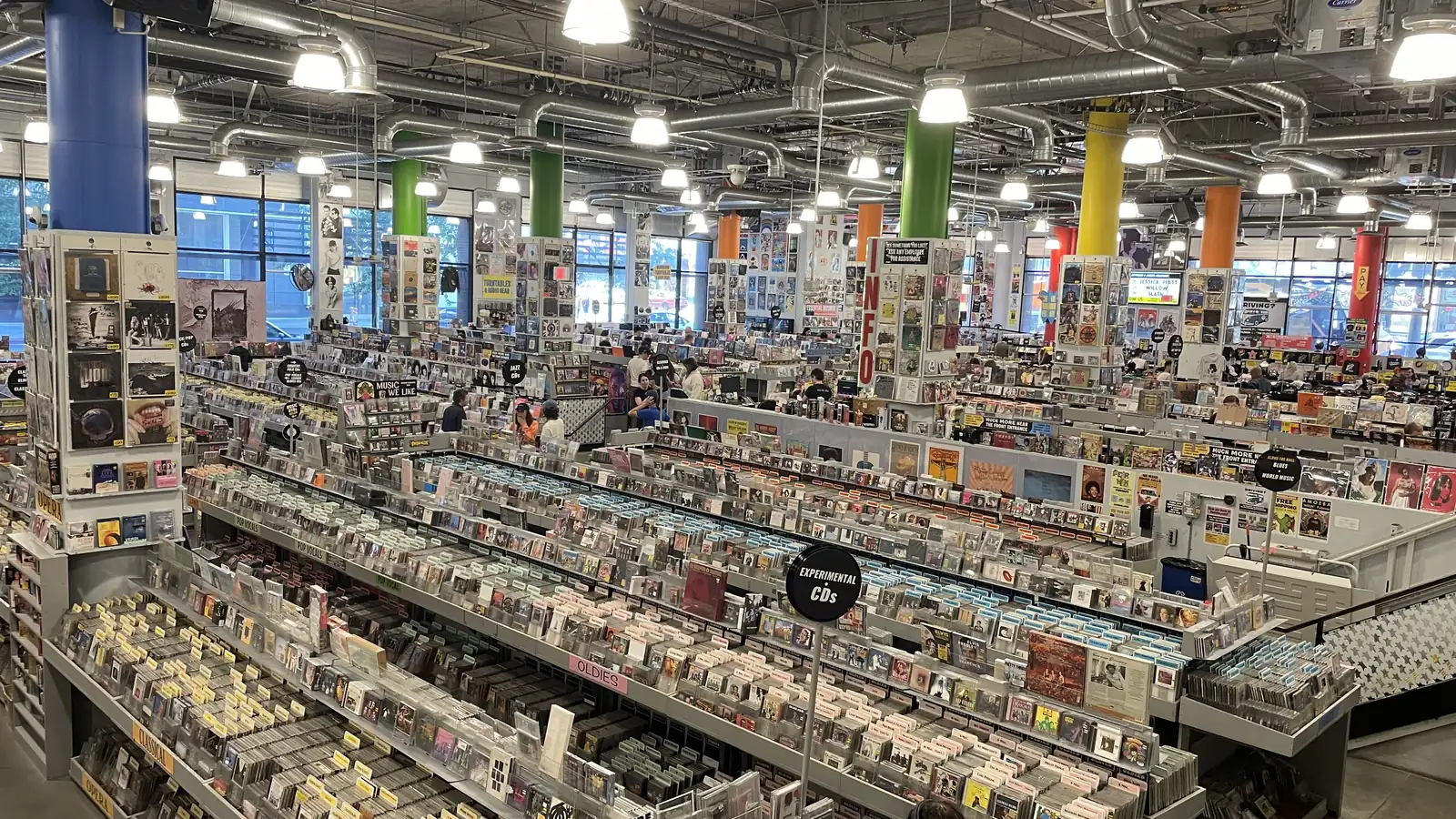

Warner Music Group and pressing plant GZ Media published results in May 2026 from a pilot that shredded and re-pressed about 10,000 unsold records into vinyl containing between 10% and 100% recycled material, and a seven-member listening panel coordinated by Abbey Road Studios could barely tell the difference. On 26 June 2026, Warner followed up by turning independent record stores in the US into drop-off points where fans can hand in damaged or unwanted vinyl, from any label, for recycling.
Taken together, the two pilots are the music industry's most concrete answer yet to a question collectors have been asking for years: can a record made partly or wholly from recycled PVC sound as good as one pressed from virgin material.
The pilot: 10,000 unsold records, several recycled blends
The May 2026 pilot, run jointly by Warner Music and GZ Media, took roughly 10,000 unsold records spanning multiple artists, titles and pressing plants, shredded them, and re-pressed the material into new records at four recycled-content levels: 10%, 25%, 50% and 100%. According to Music Week's report, the 10% and 25% blends ran through GZ Media's presses without difficulty, while the 50% and 100% mixed-origin blends needed more adjustment from press operators and produced more waste during the run, a sign that fully recycled records are not yet a simple drop-in replacement at scale.
What the blind listening tests found
Abbey Road Studios coordinated blind listening tests with a seven-member panel comparing the different blends against a virgin-PVC control pressing. Scores for every variant fell within about 0.5 points of each other on a 10-point scale, and the top three blends were within roughly 0.2 points, according to figures reported by both GZ Media and the Vinyl Alliance's CUE BURN newsletter. Music Business Worldwide reported the more striking detail: the 25% recycled, 75% virgin blend scored the highest of all the variants tested, ahead of the 100% virgin control itself.
If a listening panel cannot reliably tell a 25% recycled pressing from a virgin one, the case against recycled vinyl stops being about sound and starts being about manufacturing logistics.
The emissions case for recycled vinyl
Warner and GZ Media reported that the recycled-content scenario cut modelled emissions by about 10.6% compared with disposing of unsold stock and pressing replacements from virgin material. That figure matters because virgin PVC production is estimated to account for around 39% of cradle-to-gate emissions in European vinyl manufacturing, according to MBW's reporting on the pilot, making the raw material itself, not just transport or packaging, one of the larger levers available to the industry.
From factory pilot to your local record shop
Warner's second pilot, announced on 26 June 2026 and running through September, moved the idea out of the factory and into the shop. Independent record stores became collection points for fans' damaged or unwanted vinyl, of any artist, label or condition, with the material assessed for recycling potential by recovery partner Virterras Materials, which received a $100,000 Vinyl Institute grant in February 2026. The Vinyl Alliance named Sweat Records in Miami, Rough Trade in New York and Amoeba Music in Los Angeles among the participating stores. Madeleine Smith, Warner Music's senior director of ESG, framed the choice of venue directly: "Independent record stores have long served as gathering places for music fans and stewards of music culture."
Warner is not alone in pursuing this. Dutch plant Record Industry, based in Haarlem, reported in March 2026 that its own 100% coloured recycled vinyl had already been adopted by customers, suggesting the shift toward recycled content is not confined to one label or one pressing plant.
Do this in the app:Sleevewise · Stores & fairs
This pilot sits inside a broader shift in how records are made in 2026, alongside Universal Music Germany's move to BioVinyl at plant partner optimal media, and the continued scale of the world's largest presser, GZ Media, marking 75 years in business this year.
What this means for your records
None of this changes how existing records in your collection sound or should be graded, but it may change what "Pressed By" credits and pressing-plant details mean going forward, as more new vinyl carries some percentage of recycled material without it necessarily being stated on the sleeve. If your local record shop is one of Warner's US drop-off points, it is now a legitimate place to responsibly dispose of warped or damaged records rather than binning them, and worth checking with the shop directly about which materials they currently accept.
Frequently asked questions
01Does recycled vinyl sound worse than records made from new PVC?
In Warner Music and GZ Media's May 2026 pilot, a seven-member blind listening panel coordinated by Abbey Road Studios scored recycled and virgin-PVC pressings within about 0.5 points of each other on a 10-point scale, and a 25% recycled blend scored the highest of all variants tested, including the virgin control.
02Where can I recycle old or damaged vinyl records in the US?
From 26 June 2026, Warner Music has been running a pilot turning participating independent record stores, including Sweat Records in Miami, Rough Trade in New York and Amoeba Music in Los Angeles, into drop-off points for damaged or unwanted vinyl of any label, assessed by recovery partner Virterras Materials.
03How much recycled material can a vinyl record contain?
Warner Music and GZ Media's pilot tested records at 10%, 25%, 50% and 100% recycled content. The 10% and 25% blends ran smoothly on production presses, while the 50% and 100% mixed-origin blends required more operator adjustment and produced more waste.
Sources
- Warner Music launches pilot with indie record stores to test whether fans' unwanted vinyl can be recycled — Music Business Worldwide, 26 June 2026
- Warner Music partners with GZ Media to show unsold vinyl records can be recycled without compromising sound — Music Business Worldwide, 25 May 2026
- Warner Music Group & GZ Media pilot proves unsold records can be reprocessed as new vinyl pressings — Music Week, 22 May 2026
- Giving Vinyl a Second Life Without Compromising Sound — GZ Media, May 2026
- Recycled Vinyl Matches Virgin PVC Sound Quality; UK Police Seize 6,000 Fake Records; & Ann Demeulemeester's Vinyl Capsule — Vinyl Alliance (CUE BURN newsletter), 28 May 2026
- US & UK Physical Music Sales Grow; Tiny Vinyl Launches Record Player & Warner Music Tests Vinyl Recycling Scheme — Vinyl Alliance (CUE BURN newsletter), 23 July 2026
- Record Industry — news — Record Industry, 22 March 2026
Keep digging
Universal Music Germany Makes BioVinyl Its New Standard
Since April 2026, Universal Music Germany presses its local releases on BioVinyl, a bio-based PVC that cuts vinyl production emissions by more than 80%.
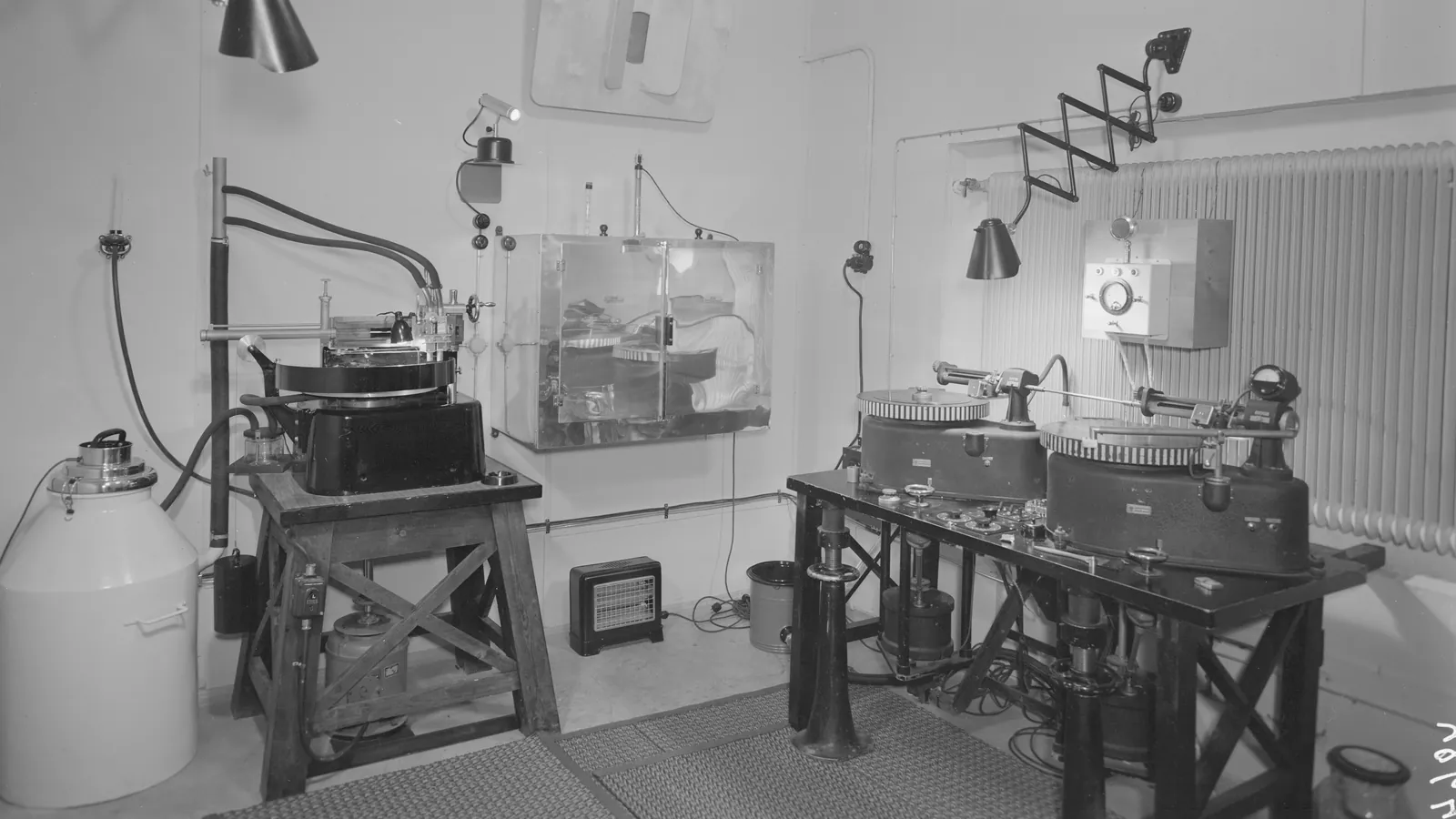
GZ Media Turns 75: Inside the World's Largest Vinyl Plant
Czech pressing plant GZ Media marked 75 years in 2026, having pressed over 930 million records and about a third of the world's vinyl in 2025 alone.
Oregon's Only Vinyl Plant: Inside Object Permanence Records
Object Permanence Records began pressing vinyl in Salem, Oregon, in June 2026, becoming the state's only record plant after Cascade Record Pressing closed.