
Universal Music Germany Makes BioVinyl Its New Standard
Since April 2026, Universal Music Germany presses its local releases on BioVinyl, a bio-based PVC that cuts vinyl production emissions by more than 80%.
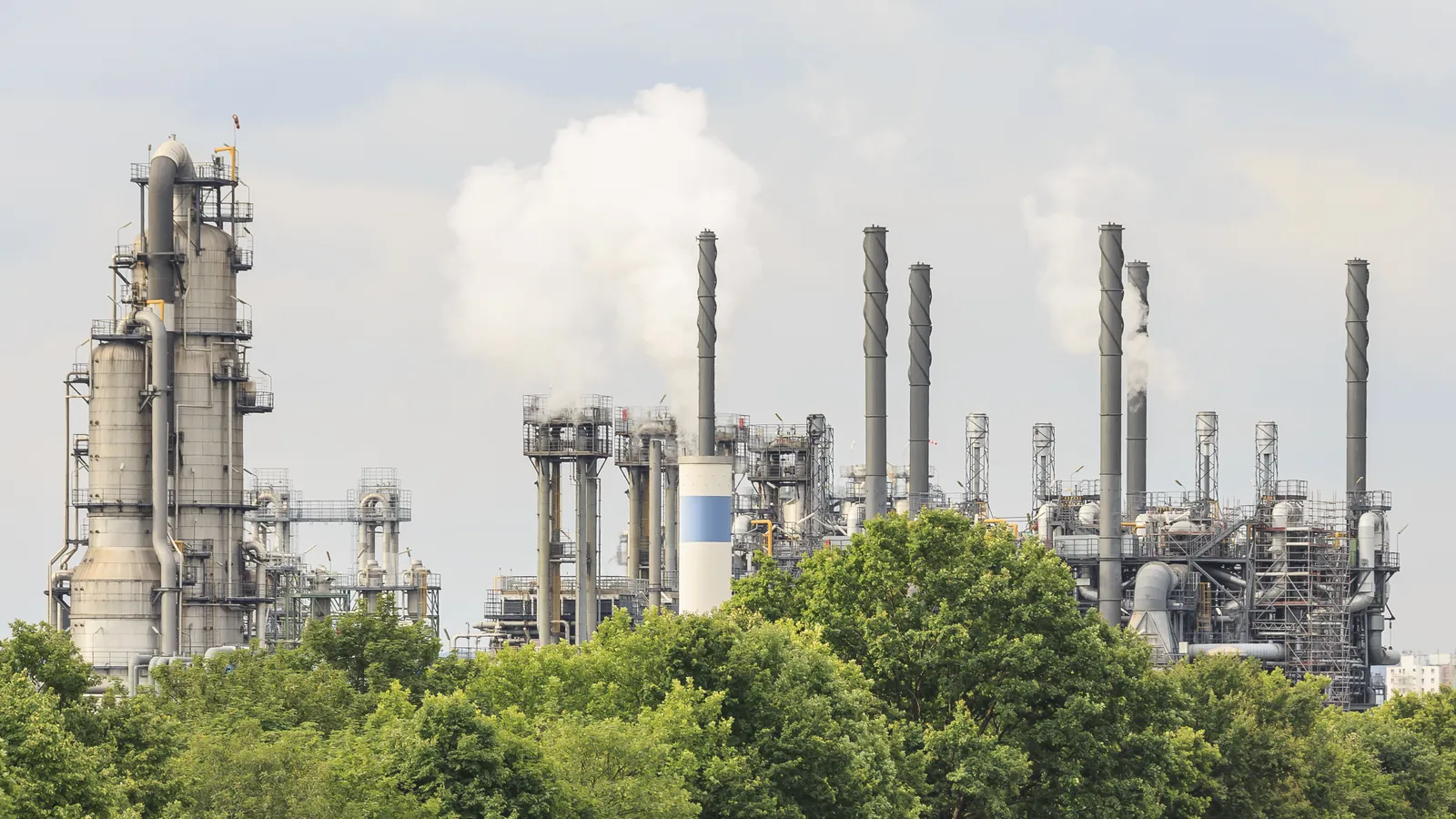

Universal Music Germany and pressing plant optimal media announced on 15 April 2026 that BioVinyl, a bio-based PVC made from biogenic feedstock such as recycled used cooking oil instead of petroleum, is now the standard material for Universal Music Germany's local vinyl releases. According to optimal media's own announcement, the partners say the switch cuts CO2 emissions in PVC production by more than 80%, without the record itself changing in any way a listener would notice.
The first release pressed on BioVinyl was singer-songwriter Bosse's album Stabile Poesie, out on 17 April 2026 and pressed at optimal media's plant in Röbel/Müritz, in north-eastern Germany. Six weeks later, optimal media went further, launching a second material called eVinyl that pairs BioVinyl with renewable energy for the steam and pressing stages of manufacturing.
What BioVinyl is made from
BioVinyl is chemically the same polyvinyl chloride used in conventional records, but the feedstock going into it is biogenic rather than fossil, including recycled used cooking oil, according to optimal media. Because the resulting material is described as chemically identical to standard PVC, the switch is presented as a change to the supply chain rather than to the pressing process or the finished record's properties. Frank Briegmann, Chairman and CEO of Universal Music Central Europe and Deutsche Grammophon, described the shift in scale: "What began as an innovation initiative in the supply chain is now becoming the new standard for our domestic artists." In a separate line from the same announcement, he added: "Sustainability is not an add-on for us, but a corporate commitment, conceived strategically and implemented operationally."
The new standard applies to Universal Music Germany's own local vinyl releases, excluding titles the label purely distributes for others, according to optimal media.
eVinyl: pressing without fossil fuels
On 26 May 2026, optimal media announced eVinyl, which combines the BioVinyl material with renewable energy used to generate the steam that softens the PVC and drives the hydraulic presses that stamp each record. The plant says this combination lowers the product's carbon footprint by 72% against the global average for records pressed from virgin PVC, a figure it describes as independently verified. optimal media calls itself the first pressing plant able to manufacture records without using natural gas or crude oil at any stage of production.
A record's environmental footprint used to be decided almost entirely by how it was shipped and packaged; optimal media is now arguing it should be decided at the pressing stage instead.
Why this matters beyond one label
optimal media presses for multiple labels and artists beyond Universal Music Germany, so a shift in its default material has a wider reach than a single company's output. It follows a pattern seen elsewhere in the industry this year: Warner Music and GZ Media ran a parallel pilot testing recycled-content vinyl, reaching a similar conclusion that changing the raw material does not have to come at the cost of sound quality. BioVinyl and eVinyl tackle the same emissions problem from a different angle, changing what the PVC is made from and how it is melted and pressed, rather than what percentage of a record's material was previously somebody else's record.
Do this in the app:Sleevewise · Collection
Both approaches sit against the backdrop of an industry still dominated by a handful of very large plants, including GZ Media, marking 75 years as the world's biggest presser this year, alongside newer, much smaller operations such as Object Permanence Records in Oregon.
What this means for German pressings you buy
Nothing about grading, handling or storing a BioVinyl or eVinyl record differs from any other LP, since the material is designed to behave identically to conventional PVC. If you own or buy new Universal Music Germany releases pressed at optimal media from April 2026 onward, there is a reasonable chance the record in your hands was made this way, even without a label on the sleeve to say so, and it is worth watching whether other labels and plants follow with similar sourcing changes over the next year.
Frequently asked questions
01What is BioVinyl and how is it different from regular vinyl?
BioVinyl is a bio-based PVC made using biogenic raw materials, including recycled used cooking oil, instead of petroleum-based feedstock. It is chemically the same as conventional PVC and plays and looks the same, but optimal media says its production cuts CO2 emissions by more than 80%.
02Which record was the first pressed on BioVinyl?
Singer-songwriter Bosse's album Stabile Poesie, released on 17 April 2026 and pressed at optimal media's plant in Röbel/Müritz, Germany, was the first release under Universal Music Germany's new BioVinyl standard.
03What is eVinyl and how does it differ from BioVinyl?
eVinyl, announced by optimal media on 26 May 2026, combines the BioVinyl material with renewable energy used for steam generation and pressing. optimal media says this cuts a record's carbon footprint by 72% compared with the global average for virgin-PVC pressings, and calls itself the first plant able to press records without natural gas or crude oil.
Sources
- Universal Music and optimal media launch groundbreaking BioVinyl partnership — optimal media, 15 April 2026
- eVinyl – Vinyl records without fossil resources — optimal media, 26 May 2026
Keep digging
Warner Tests Recycled Vinyl on 10,000 Unsold Records
Warner Music and GZ Media re-pressed about 10,000 unsold LPs with up to 100% recycled PVC. Blind listening tests found no meaningful loss in sound quality.
Germany Vinyl Revenue Up 9.8% in H1 2026, Now 47.8% of Physical
German vinyl revenue rose 9.8% in the first half of 2026 and reached 47.8% of the physical market, BVMI reports, as industry revenue overall grew 5.4%.
GZ Media Turns 75: Inside the World's Largest Vinyl Plant
Czech pressing plant GZ Media marked 75 years in 2026, having pressed over 930 million records and about a third of the world's vinyl in 2025 alone.