
How to Spot Counterfeit Vinyl Records Before You Buy
Blurry artwork, a pixelated barcode and a runout that doesn't match the catalogue number are the clearest signs of a fake. The full checklist.
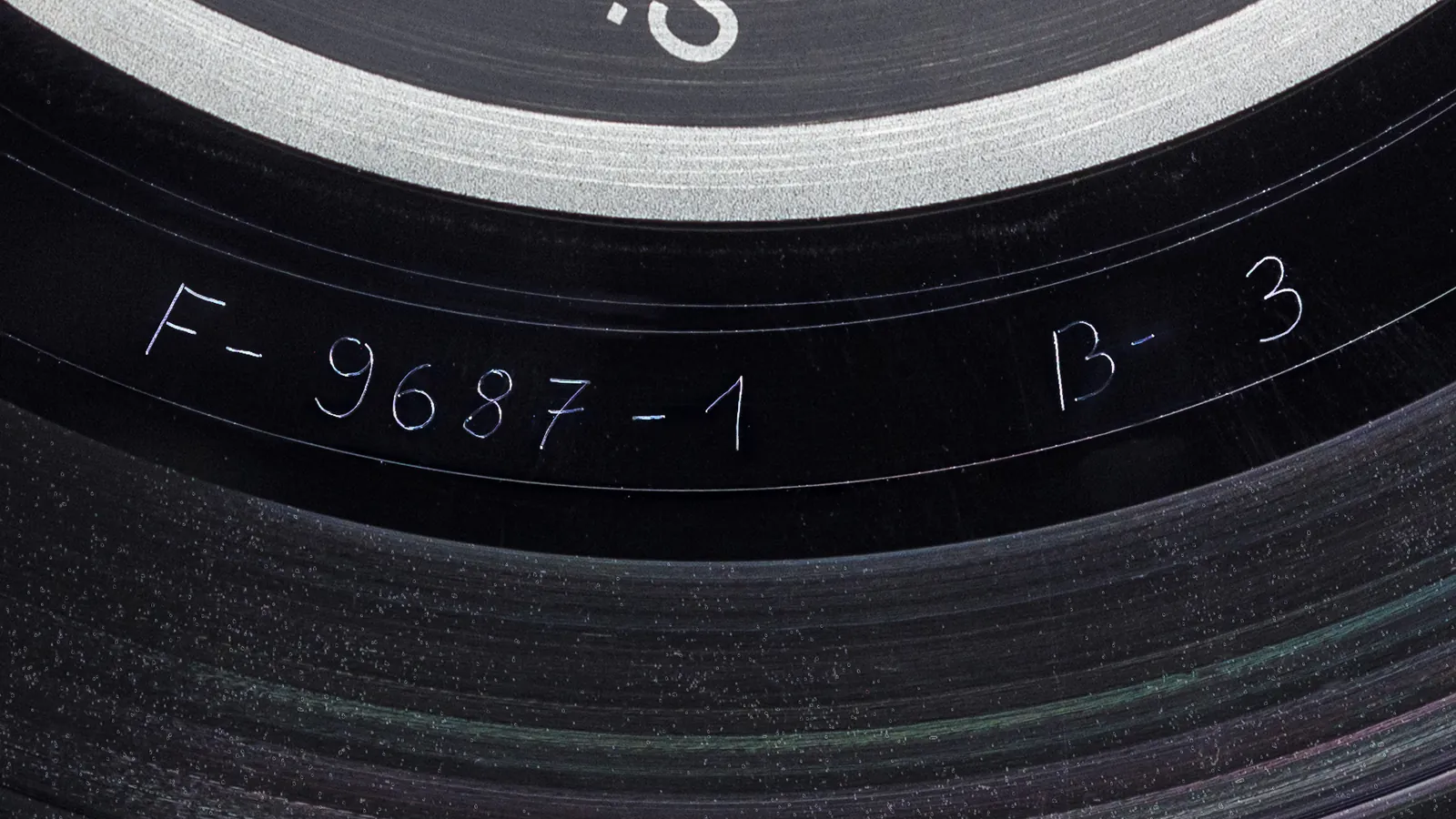

No single detail proves a record is fake, but a handful together usually do: blurry or pixelated sleeve artwork, a runout groove that does not match the catalogue number, oddly trimmed edges, and a price well under standard retail. Counterfeit vinyl is a real and growing problem — the RIAA's own submission on notorious piracy markets names eBay and Vinted as the platforms carrying the most fake listings — and the fakes don't just turn up on sketchy websites. They reach real shops too.
This is a practical checklist: what to look at on the packaging, how to check the runout groove, what the vinyl itself can tell you, and where fakes are actually being sold right now.
None of these checks require special equipment — a phone camera to zoom in on a barcode or a runout, and a Discogs listing to compare against, cover most of it. The habit is what matters: check before you pay a premium, not after.
Counterfeit, bootleg or unofficial reissue: know the difference
These terms get used loosely, but they mean different things. A counterfeit is an unauthorised copy of an official release, packaged and sold as if it were genuine — this is what most of this guide covers. A bootleg is unauthorised live or unreleased material that was never officially issued at all, so there's no legitimate version it's impersonating. An unofficial reissue sits in a greyer zone: often a pressing of a public-domain or licensing-lapsed recording, sold openly as a reissue rather than disguised as an original. The checks below are mainly about the first category — a fake claiming to be something it isn't.
Check the packaging first
Before you even get to the vinyl, the sleeve usually gives something away:
- Artwork sharpness. Blurry or pixelated cover art, especially where the original was crisp, is a common tell — counterfeiters are often working from a scanned or downloaded image rather than original print files.
- Barcode quality. Look closely at the bars: a genuinely printed barcode has clean, sharp vertical lines, while a reproduced one often shows visible pixelation or jagged edges.
- Ink and print quality. On records claiming to be original 1960s or 1970s pressings, genuine period printing tends to show deeper, richer ink than a modern reproduction attempting to imitate it.
- Fonts and colours. A slightly wrong typeface, or colours that don't quite match known photos of the genuine sleeve, are worth a second look.
- Format match. If the original release was a gatefold sleeve, a single-sleeve copy claiming to be that pressing is an immediate red flag.
- Shrink-wrap and ring wear. New counterfeits sometimes skip shrink-wrap to save cost; on secondhand claims, genuine ring wear (from decades of a record spinning inside its sleeve) has a worn, textured feel that a printed-on approximation doesn't replicate.
Do this in the app:Sleevewise · Scanner
Check the runout groove
The runout — the blank ring between the last track and the label, also called the dead wax — is where a genuine pressing and a counterfeit are most likely to disagree. Compare the matrix number etched there against the release's catalogue number on Discogs; a mismatch, or a matrix number that looks stamped-on rather than properly etched, is a strong signal. Some labels used identifiable engineer stamps as an extra layer of authenticity — Blue Note's mastering engineer Rudy Van Gelder etched "RVG" into the records he cut — and a counterfeit will typically be missing marks like these, or get them wrong.
None of this is foolproof on its own — as our guide to identifying pressings explains, a matrix number by itself doesn't even prove a legitimate pressing is original. But a runout that plainly contradicts the catalogue number, or shows no proper etching at all, is a reliable sign something is wrong.
A sealed "new" copy is not proof of anything. The dead wax doesn't lie the way a sticker can.
What the vinyl itself can tell you
A few physical and audible signs show up once you actually have the record in hand:
- Edge quality. Poorly trimmed, sharp or serrated edges are a common counterfeit tell; genuine pressings are trimmed cleanly.
- Sound quality. Some counterfeits are cut from a compressed digital source rather than proper studio masters, and can sound noticeably thin, watery or compressed — closer to a low-bitrate MP3 than a proper vinyl cut.
- Running time. If a side runs noticeably shorter or longer than the genuine release's listed time, that's worth investigating.
- Colour variants that shouldn't exist. If a "limited colour edition" doesn't match any colourway the label actually issued, treat it with suspicion — counterfeiters sometimes invent variants to seem more desirable.
Where fakes turn up
Counterfeit vinyl is not a fringe problem. The RIAA's submission on global piracy trends, reported by Music Business Worldwide, names eBay and Vinted as carrying the most counterfeit vinyl listings, describing the situation on Vinted specifically as reaching "epidemic proportions," with sellers able to relist repeatedly after takedowns. Amazon, Marktplaats and Leboncoin are also named as routes for counterfeit goods more broadly, and the RIAA says China and Russia are major sources of bootleg vinyl shipped directly to buyers worldwide.
It isn't only an online-marketplace problem, either: a UK case sentenced in September 2026 involved fakes made at an Acton pressing plant that were sold not just online but directly to record shops — for the details, see our coverage of that case. A shop selling a record in good faith is not automatically proof it's genuine.
Price and seller red flags
A price well under standard retail for a "new" or "sealed" copy of a current release is one of the simplest warning signs — legitimate new vinyl has a fairly narrow price band, and a deep discount on something that should be full price is a reason to look closer, not a reason to buy fast. Listing photos that are obviously stock images rather than photos of the actual item, sellers with little or no feedback history, and an unwillingness to send photos of the label and runout on request are all worth treating as red flags rather than minor inconveniences. Buying at a record fair, from a seller you can see and question directly, carries less of this risk than an anonymous online listing from a seller you can't verify.
If you think you've bought a fake
In the UK, counterfeit music can be reported to the BPI ([email protected]) or to Trading Standards via Citizens Advice. Enforcement does happen: a seller trading as Vinylgroove UK was ordered in April 2023 to forfeit £373,589 under the Proceeds of Crime Act after a Dorset Council Trading Standards prosecution for selling fake vinyl. Reporting a fake doesn't just help you — it's part of what makes cases like that possible in the first place.
If you bought through a marketplace with buyer protection, that is usually the faster route to a refund; a report to the platform, with photos of the packaging, barcode and runout you've been checking anyway, tends to move faster than a dispute with the seller directly.
Frequently asked questions
01How can I tell if a vinyl record is a counterfeit?
Check the packaging for blurry artwork or a pixelated barcode, compare the runout groove's matrix number against the release's catalogue number on Discogs, look for poorly trimmed edges, and be wary of prices well under standard retail. No single check is definitive, but several together are a reliable picture.
02Where are counterfeit vinyl records most commonly sold?
The RIAA's submission on piracy trends names eBay and Vinted as the marketplaces with the most counterfeit vinyl listings, with Vinted described as a particular problem. Fakes also reach legitimate-looking record shops, not just online listings.
03What's the difference between a bootleg and a counterfeit record?
A counterfeit is an unauthorised copy of an official release packaged to look genuine. A bootleg is unauthorised live or unreleased material that was never officially issued, so it isn't imitating a specific legitimate product in the same way.
Buying with more confidence
Checking the runout and the catalogue number is the same habit that matters for confirming a pressing generally, fake or not, and it's worth doing before you pay a premium either way. A price that looks too good against what a record is actually worth is one of the most reliable early warnings you'll get, for a counterfeit or simply a misdescribed copy.
Sources
- How to spot fake records: 10 tips to avoiding counterfeit vinyl — What Hi-Fi? / Yahoo
- Bootleg vinyl from Russia & China... and 3 other things you might have missed from the RIAA's latest piracy revelations — Music Business Worldwide, 13 October 2025
- Dorset Council prosecutes fake vinyl record seller — Dorset Council
- Matrix number — Wikipedia
Keep digging
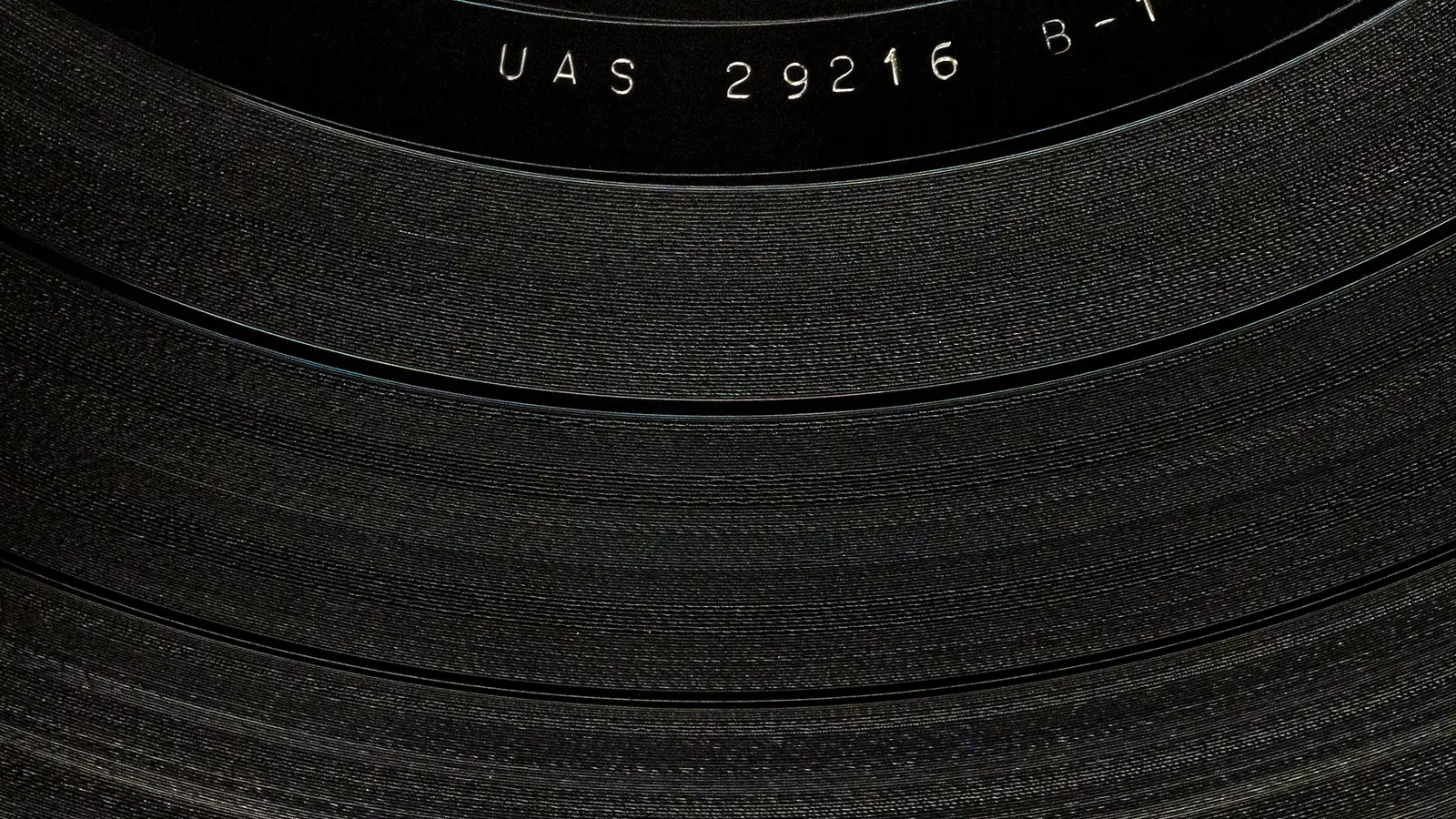
How to Tell If a Record Is a First Pressing
No single clue proves a first pressing. Matrix numbers, labels and catalogue numbers have to agree — here's how to read each one properly.
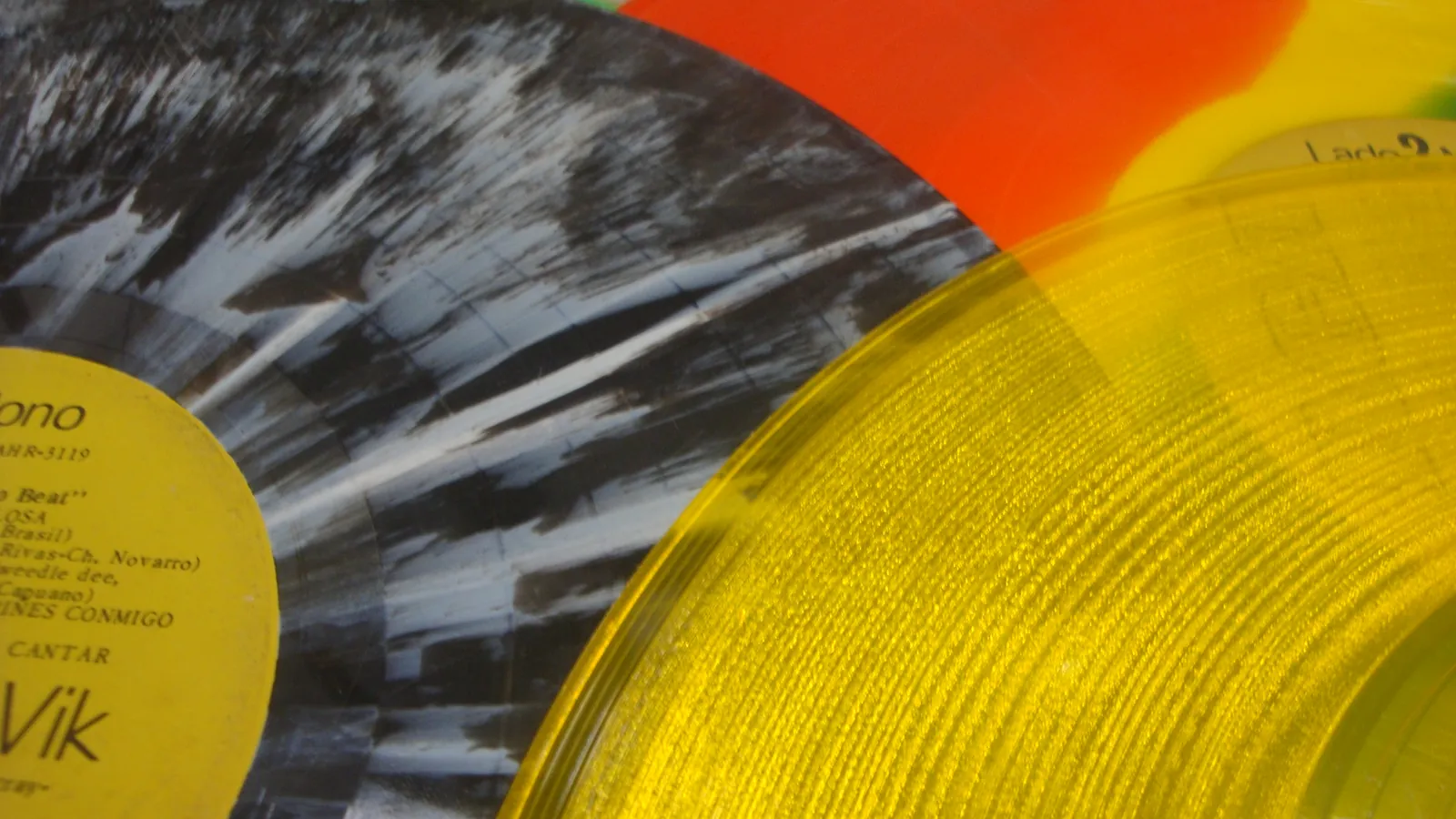
Colored Vinyl vs Black: Does It Sound Worse?
Solid and translucent colours generally sound the same as black vinyl today. Marble, splatter and picture discs are the riskier tiers to know.
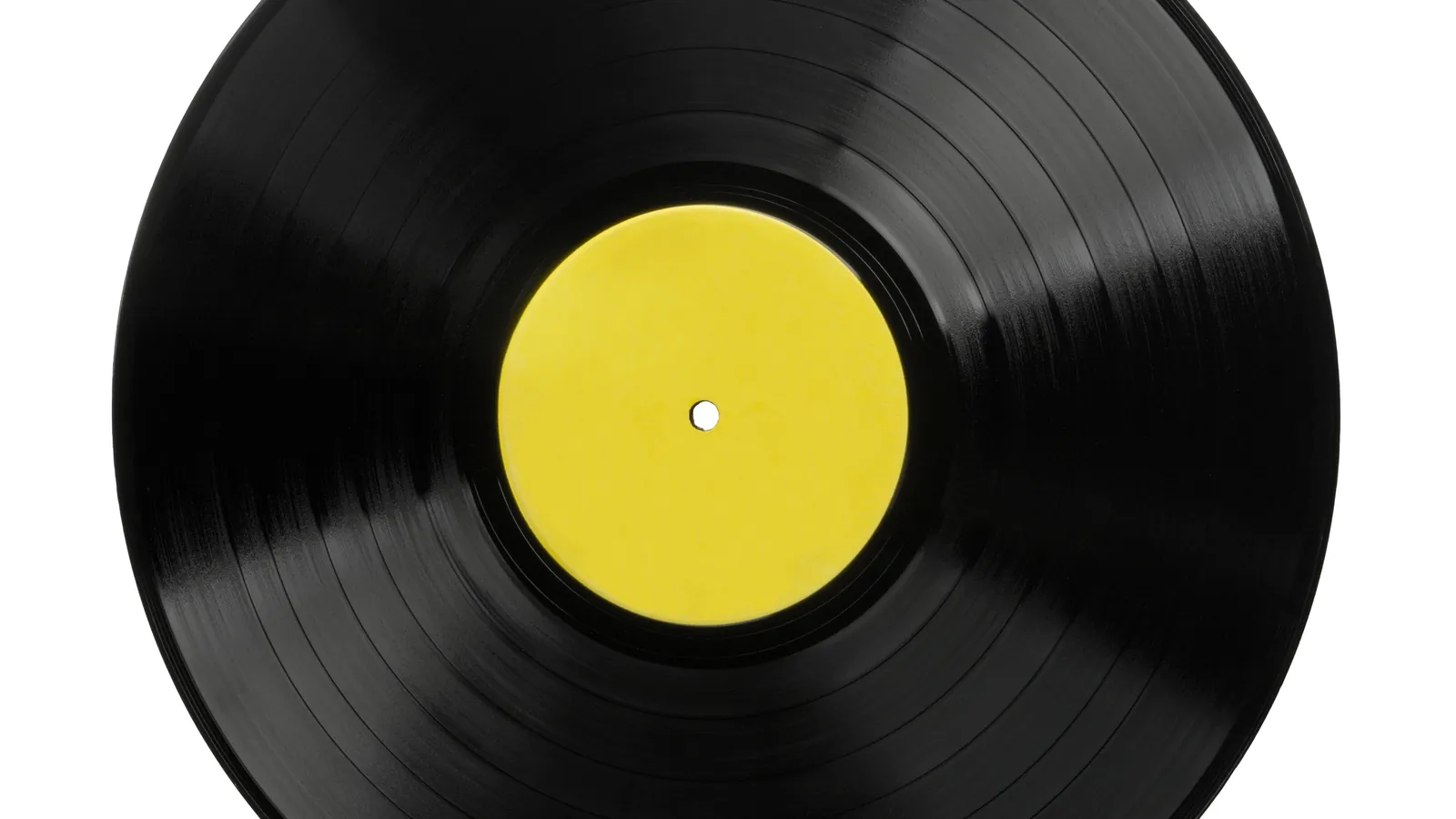
180g Vinyl vs Standard Weight: Does It Sound Better?
180g and standard records use the same stampers and groove depth. The extra weight adds durability and a premium feel, not automatically better sound.