
How to Tell If a Record Is a First Pressing
No single clue proves a first pressing. Matrix numbers, labels and catalogue numbers have to agree — here's how to read each one properly.
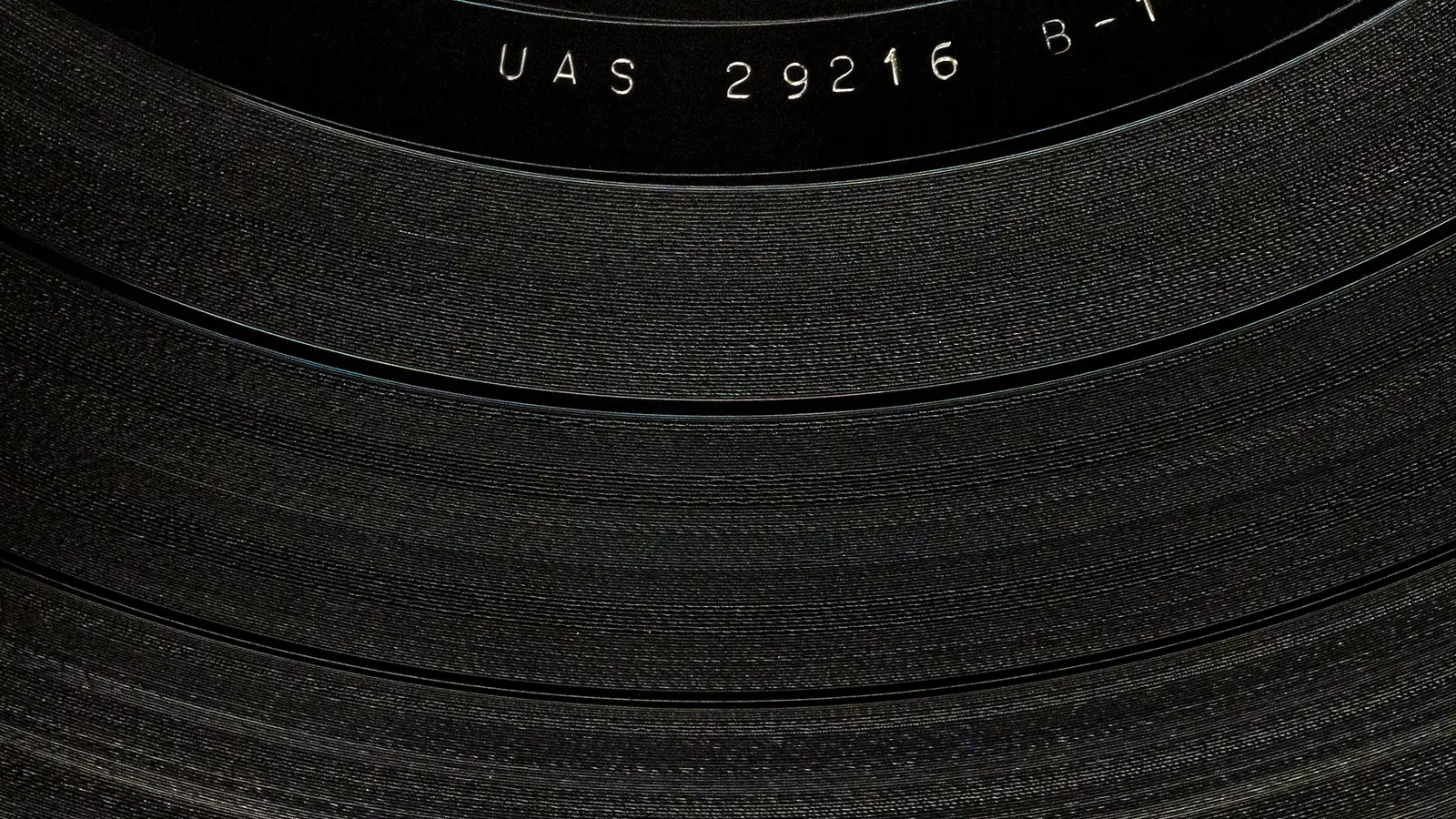

No single feature proves a record is a first pressing. Not the matrix number alone, not the label design alone, not the catalogue number alone — you need several of them to agree before you can be confident. Wikipedia's entry on matrix numbers puts it plainly: "a matrix number in itself is not proof of an original pressing, and additional research should be done before declaring a record to be a first pressing."
That single caveat explains most of the confusion collectors run into. This guide covers what to actually check: the label and catalogue details, how to read the etching in the runout groove, why early manufacturing codes matter, and the red flags that mean you are looking at a later issue instead.
First pressing, original pressing, first issue: not quite the same thing
Collectors use these terms loosely, and it causes real arguments. Roughly:
| Term | What it usually means |
|---|---|
| First pressing | The very first manufacturing run of a release, from the first lacquer cut, at whichever plant(s) handled that initial run. |
| Original pressing | Often used as a synonym for first pressing, but some sellers use it more loosely to mean simply "not a reissue." |
| First issue | The first time a recording appeared in a given format or territory — which is a different, later question from whether a specific copy is that territory's first pressing. |
Because a single album can be pressed at several plants for its first run, or released at different times in different countries, "is this a first pressing" only makes sense once you have also answered "a first pressing of which release."
Start with the release itself
Before you get anywhere near the runout groove, compare the copy against its Discogs release page: label design and variant, catalogue number, songwriting and production credits, sleeve printer marks, and any manufacturing text on the back cover. Discogs' own contributor guidelines ask editors to log exact catalogue numbers and other identifiers precisely, because they are one of the few reliable ways to separate pressings that otherwise look identical.
If the catalogue number, label design and credits on your copy do not match a specific Discogs release entry, stop there — you are looking at a different pressing than the one you think, regardless of what the runout says.
Reading the runout: matrix numbers, cuts and stamps
The runout groove — also called the run-off groove, end-groove or "dead wax" — is the blank ring between the last track and the label. It carries an alphanumeric code, stamped or hand-etched, that manufacturers originally used purely for internal tracking.
| Etched in the runout | What it tells you |
|---|---|
| Main matrix number | Usually mirrors the catalogue number printed on the label; ties the disc to a specific stamper lineage. |
| Cut or take suffix (e.g. "-1", "-2") | Which lacquer cut that side came from. A suffix restarted at "-1" on a later reissue can look deceptively early. |
| Mastering engineer's initials or signature | Who cut the lacquer for that pressing, sometimes hand-etched (Blue Note's Rudy Van Gelder famously etched "RVG"). |
| Plant stamp or logo | Which pressing plant produced that specific copy — useful when a release was manufactured at more than one plant. |
A cut number is not a promise, either. Reissues frequently recut the lacquer from scratch, restarting the take numbering at "-1" — the exact pattern a buyer hunting a first pressing is trying to spot. That is precisely why Wikipedia's caveat matters: read the matrix number as one data point, not a verdict.
Do this in the app:Sleevewise · Scanner
Promos, test pressings and white labels
Before a release goes to retail, plants produce a small number of pre-release copies, and it is worth knowing these are a different category from "first pressing" rather than an extra-early version of it. A test pressing is a hand-numbered proof run off a new stamper purely to check for defects before the full run starts, usually in a plain sleeve with a stamped or handwritten label. A promo or white label is an early commercial copy sent to radio stations, press or DJs, often with a distinct label design, a "Promotional Use Only" stamp, or no printed label art at all. Both can predate the general retail first pressing, and both are collected in their own right — but neither one is what most listings mean by "first pressing" unless the seller says so explicitly.
Why early codes matter: the lacquer-to-pressing chain
Understanding how a record is physically made explains why some codes are more "original" than others. The chain runs lacquer, then master, then mother, then stamper, then pressing. According to Furnace Record Pressing, there is only one master made from the lacquer; from it, plants can create roughly four mothers, though the highest-quality runs are often limited to two; and each mother yields up to six stampers, two of which — one per side — go into a press at a time.
Stampers wear out. Furnace notes that a single stamper is generally good for somewhere in the range of 500 to 1,000 pressings before it degrades enough to be retired. A long chart-topping run therefore needed multiple stampers made from the same mother, and possibly multiple mothers from the same master — which is exactly how you end up with several genuinely "first pressing" variants of the same catalogue number, distinguished only by which stamper or mother produced them.
Country and plant differences
A single release can have more than one legitimate "first pressing," depending which market you mean. A UK first pressing, a US first pressing, a West German first pressing and a Japanese first pressing of the same album can all be correct answers — they are just answers to different questions. Licensing deals routinely gave a different label the rights in each territory, so the catalogue number, label design and even the mastering can differ from country to country despite being "the same album." Always specify the territory, and compare against that country's Discogs release entry specifically, not the generic master release page that groups every pressing worldwide under one entry.
Ask "a first pressing of which release," not just "is this a first pressing" — the second question has no single answer.
Red flags for later issues
A few details reliably separate a genuine early pressing from a later one:
- Barcodes. Barcodes only became standard on record sleeves from the early-to-mid 1980s. A barcode on a sleeve claiming a 1970s (or earlier) first pressing is an immediate tell.
- Later logos or legal text. Label logos get redesigned, distributor credits change, and "manufactured by" or copyright text is added or updated over a catalogue number's lifetime.
- Modern label styles. A label design that only entered use years after the original release means you are holding a later repress on the same catalogue number.
- Replica and counterfeit copies. Some "vintage" copies are simply fakes. If the matrix does not match the catalogue number, or the pressing quality looks off for its supposed age, treat it as a counterfeit until proven otherwise.
Is it actually worth more?
A genuine first pressing is not automatically valuable — plenty of first pressings of common albums are worth no more than later ones, because supply was never scarce. Once you have confirmed the pressing, check sold and completed listings for that exact pressing and condition combination, rather than assuming "first pressing" is a price category by itself. Grading it accurately matters just as much as the pressing identification: a first pressing in Good condition can be worth less than a later reissue in Near Mint.
Frequently asked questions
01Does a matrix number prove a record is a first pressing?
No. Wikipedia's entry on matrix numbers states directly that a matrix number by itself is not proof of an original pressing, because reissues often recut the lacquer and restart the numbering. It has to agree with the label, catalogue number and other release details.
02What is the runout groove on a vinyl record?
It's the blank ring between the last track and the label, also called the dead wax or run-off groove. It carries the matrix number and sometimes a mastering engineer's initials, stamped or hand-etched during manufacturing.
03Are first-pressing vinyl records always worth more?
Not automatically. Many first pressings of common albums sell for about the same as later pressings because they were never scarce. Check sold prices for that exact pressing and condition rather than assuming a premium.
Checking pressings as you build a collection
Confirming a pressing takes a few extra minutes per record: the catalogue number, the label variant, and a close look at the runout, cross-checked against the right Discogs release. It is worth doing before you pay a premium, and worth recording afterwards — logging the exact release, not just the album title, is what lets you tell two copies of the same LP apart six months later. Once the pressing is confirmed, grading the record and sleeve is the other half of knowing what it's actually worth.
Sources
- Matrix number — Wikipedia
- Vinyl 101: How to Make a Vinyl Record — Furnace Record Pressing
- Database Guidelines 5. Barcodes & Identifiers — Discogs Support
Keep digging
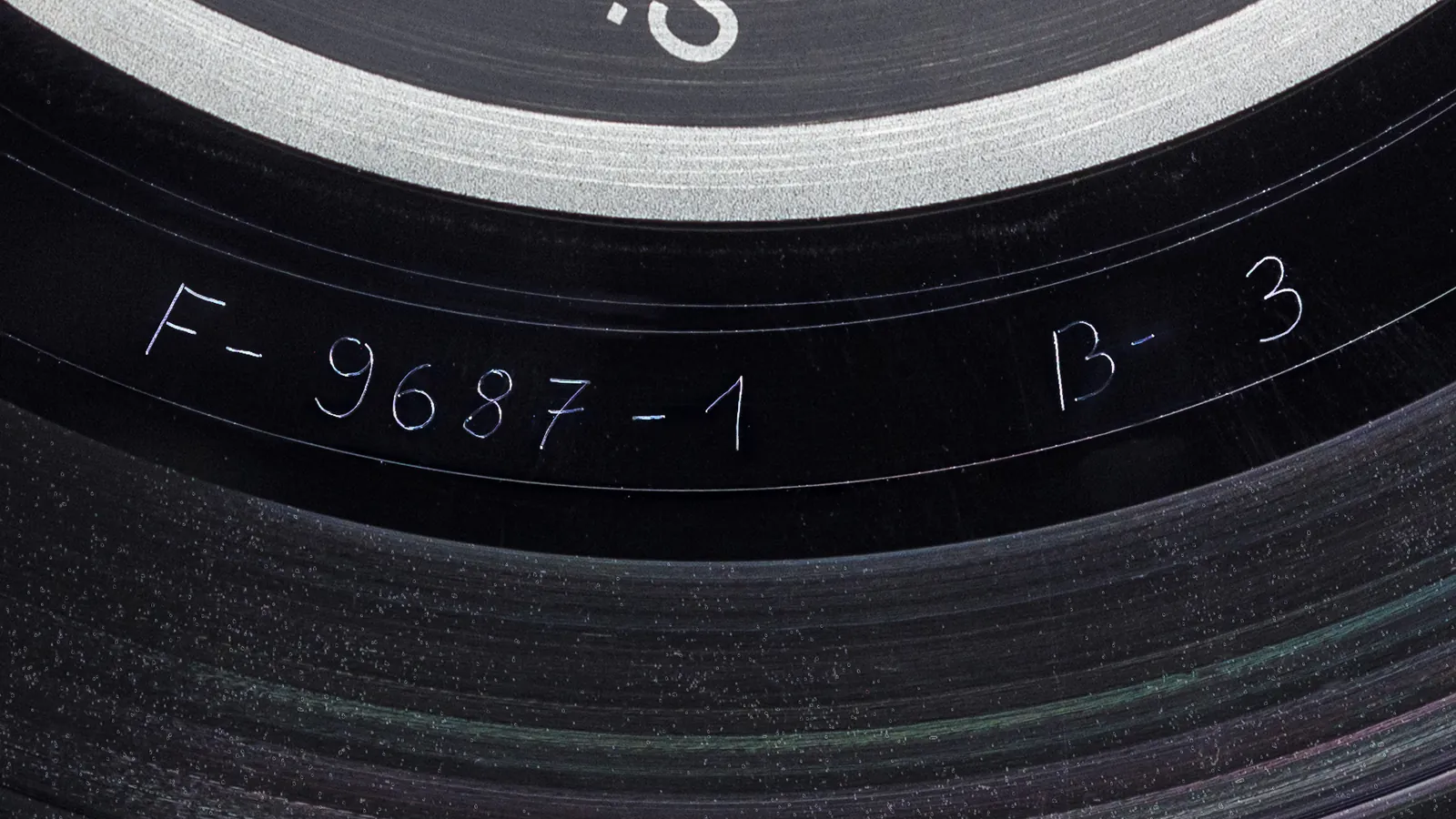
How to Spot Counterfeit Vinyl Records Before You Buy
Blurry artwork, a pixelated barcode and a runout that doesn't match the catalogue number are the clearest signs of a fake. The full checklist.
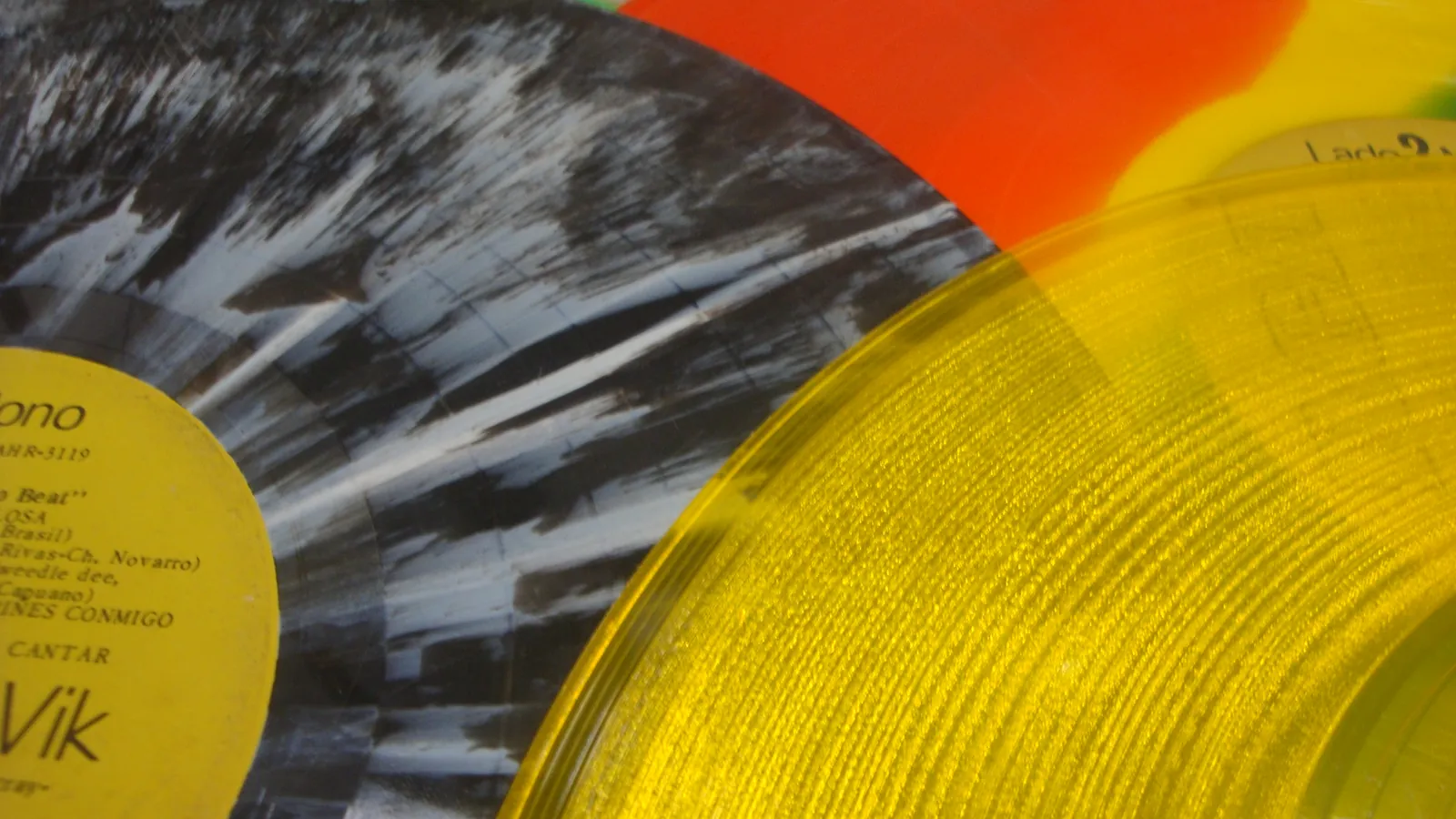
Colored Vinyl vs Black: Does It Sound Worse?
Solid and translucent colours generally sound the same as black vinyl today. Marble, splatter and picture discs are the riskier tiers to know.

180g Vinyl vs Standard Weight: Does It Sound Better?
180g and standard records use the same stampers and groove depth. The extra weight adds durability and a premium feel, not automatically better sound.