
180g Vinyl vs Standard Weight: Does It Sound Better?
180g and standard records use the same stampers and groove depth. The extra weight adds durability and a premium feel, not automatically better sound.
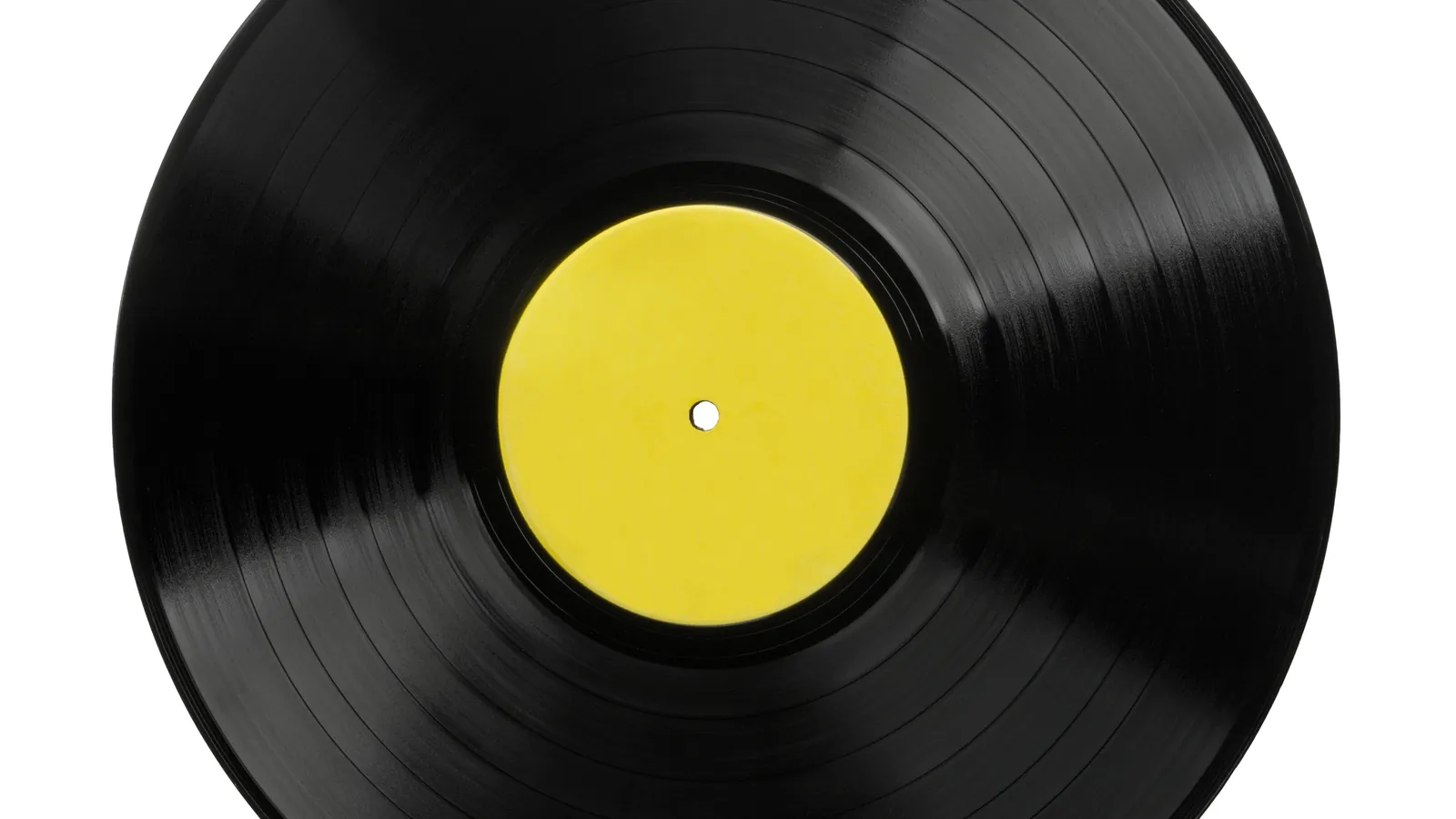

A 180g record and a standard-weight pressing of the same album are cut from the same source, on the same stampers, at the same groove depth. The extra mass adds durability and a heavier feel in the hand — real, measurable things — but it does not automatically mean better sound. What actually decides how a record sounds is the source recording, the mastering, and the quality control at the plant, not the number printed on the sticker.
Here's what 180g actually changes, what it doesn't, and how to decide whether it's worth paying for on a given release.
The short version matters because 180g reissues routinely cost more than standard-weight pressings of the same album, sometimes considerably more. Knowing what that extra cost is actually buying — durability and feel, not a different mix — makes it easier to judge whether a specific reissue is worth it.
What "180 gram" actually means
A standard 12-inch record averages around 140 grams, according to Disc Makers' guide to vinyl weights. Wikipedia's entry on phonograph records gives a broader range of roughly 80 to 200 grams across LPs generally, with 180 to 220 grams typical of records specifically marketed as "audiophile" pressings. So 180g isn't a fixed industry standard so much as a marketing-and-manufacturing category that sits meaningfully above the average.
It's also not the ceiling. Some pressings go further, at 200g or occasionally more, sitting at the upper end of Wikipedia's cited range. The same logic applies at any of these heavier weights: more mass, same underlying principles, no separate manufacturing process that changes what's actually in the groove.
Same cut, more mass
The part collectors often assume is different, isn't. Disc Makers is direct about this: the stampers used for 180g records are the same as for standard-weight pressings, and the groove depth is the same too. A 180g record isn't cut differently to accommodate the extra material — it's the same audio information, pressed into thicker vinyl.
Do this in the app:Sleevewise · Collection
The real benefits — and they're real
180g isn't just marketing. Disc Makers notes a genuine, if modest, sonic effect: extra mass damps micro-movements of the record as the stylus tracks the groove, an effect that's more noticeable on high-end systems than on an average setup. Separately, heavier vinyl is sturdier and more resistant to warping, according to Yamaha's guide to vinyl — a genuinely useful property for a record that will get handled, shipped and stored for decades.
Neither of these is nothing. But neither one is "the same recording, mastered the same way, will sound better because it's heavier" — the damping benefit is real but modest, and warp resistance is about durability, not fidelity. On a modest system — a budget turntable, an all-in-one setup — the damping difference is unlikely to be audible at all; it's the kind of thing that shows up on a high-end cartridge and a carefully levelled turntable, not universally.
180g buys you a sturdier record and a small damping benefit on a good system. It doesn't buy you a different mix.
What actually decides how a record sounds
Weight is a minor variable next to the things that genuinely determine sound quality: the quality of the original recording, how carefully it was mastered for vinyl specifically, the condition of the plating through the lacquer-to-stamper chain, and quality control at the pressing plant. A 180g record cut from a poor digital master, or pressed with sloppy quality control, will sound worse than a well-mastered, well-pressed standard-weight record — weight doesn't override any of that.
It's also worth knowing that heavier vinyl isn't immune to the two most common pressing problems. A 180g disc can still warp under bad storage conditions, and it can still show non-fill — small pits where the vinyl didn't fully take the groove shape during pressing, usually from a plant running its presses too hot, too cold, or too fast — exactly like a standard-weight disc can. Neither problem is about the weight of the vinyl; both come down to the same manufacturing quality control that determines how any pressing turns out, heavy or not.
Why labels use 180g anyway
If the sonic upside is modest, why is 180g so common on reissues and "deluxe" editions? Disc Makers puts it plainly: 180g records feel heavier in the hand, and that weight creates an impression of higher quality, whether or not the audio itself changed. It's a legitimate part of a record's physical presentation — the same reason a gatefold sleeve or a printed inner sleeve gets marketed as a feature — rather than evidence of a sonic upgrade by itself. Anniversary editions and deluxe box sets lean on 180g especially heavily for this reason: the weight signals "special edition" to a buyer at a glance, in the same way a heavier book cover or a thicker cardboard box does for other collectibles.
How to check an edition's weight before you buy
A release doesn't always make its weight obvious at a glance. A few ways to check before you pay a premium:
- Hype stickers. Many 180g pressings carry a sticker on the shrink-wrap specifically because it's a selling point — if it's not mentioned, it's probably standard weight.
- The Discogs format line. Weight is commonly listed in a release's format notes on Discogs, alongside size and speed, for exactly this reason.
- The price. A 180g pressing costs more to produce and ship, and that difference usually shows up in the retail price compared with a standard-weight edition of the same title.
Buying advice
A standard-weight original pressing, mastered well at the time, often beats a 180g reissue mastered carelessly decades later — weight is not a substitute for a good master. On the other hand, a 180g reissue that was remastered carefully specifically for the format can be a genuine improvement over a worn, decades-old standard-weight original — durability and a clean master together, rather than either one alone. The honest answer to "should I pay more for 180g" is that the weight itself is a small factor; the mastering credit and the reputation of the pressing plant tell you more than the gram count does.
Two practical scenarios cover most of what you'll run into. Buying a brand-new album for the first time, a 180g pressing costs little more and carries a real durability upside, so it's a reasonable default unless price is tight. Choosing between an original standard-weight pressing and a 180g reissue of an older album is a different decision entirely — there, the reissue's mastering credits and the reputation of who pressed it matter far more than the number on the sticker, and it's worth looking those up specifically rather than assuming the heavier option automatically wins.
Frequently asked questions
01Does 180g vinyl actually sound better than standard weight?
Not automatically. 180g and standard-weight records are cut from the same stampers at the same groove depth, so the audio information is identical. The extra mass provides a modest damping benefit, more noticeable on high-end systems, and better resistance to warping, but the mastering and pressing quality matter far more to how a record actually sounds.
02What is the difference between 140g and 180g vinyl?
The difference is physical weight and thickness, not the audio itself. A standard 12-inch record averages around 140 grams; 180g pressings use roughly 30-40% more vinyl by weight, which adds durability and a small damping effect but uses the same stampers and groove depth as a standard pressing of the same release.
03Is 180g vinyl worth paying extra for?
It depends more on the mastering than the weight. A carefully remastered 180g reissue can be a real improvement over a worn original, but weight alone doesn't fix a poor master or sloppy pressing. Check who mastered the edition and where it was pressed before assuming the gram count guarantees better sound.
Weight is one detail among several
180g is one of several format variables worth comparing alongside what speed a pressing actually runs at and whether a coloured variant affects sound the way people assume — all three get debated with more confidence than evidence, and all three come down to the same underlying point: mastering and pressing quality matter more than the format detail itself. It's also worth factoring into how you store a collection: a shelf built for standard-weight records carries meaningfully less total weight than the same shelf full of 180g pressings, and a collection that leans heavily toward audiophile reissues is worth weighing — literally — before you assume an old shelf can take it.
Sources
- Vinyl Record Weights. What Is 180 Gram And Is It Important? — Disc Makers Help Center
- Phonograph record — Wikipedia
- Here's What You Need to Know About Vinyl — Yamaha Hub
Keep digging
Colored Vinyl vs Black: Does It Sound Worse?
Solid and translucent colours generally sound the same as black vinyl today. Marble, splatter and picture discs are the riskier tiers to know.
How to Clean Vinyl Records Safely: Brush, Wet or Machine
A soft brush before every play clears most dust; stuck-on grime needs a wet clean. Here's what conservators recommend, and what to avoid entirely.
How to Store Vinyl Records: What Archivists Recommend
Store LPs upright, never stacked flat, with stable temperature and humidity. Here's the shelving, climate and sleeve advice from archival guides.