
What Is a Hype Sticker? Value, History and How to Keep One
A hype sticker is the promotional sticker a label puts on a record's shrink-wrap or sleeve. What it tells you, whether it adds value and how to keep it.
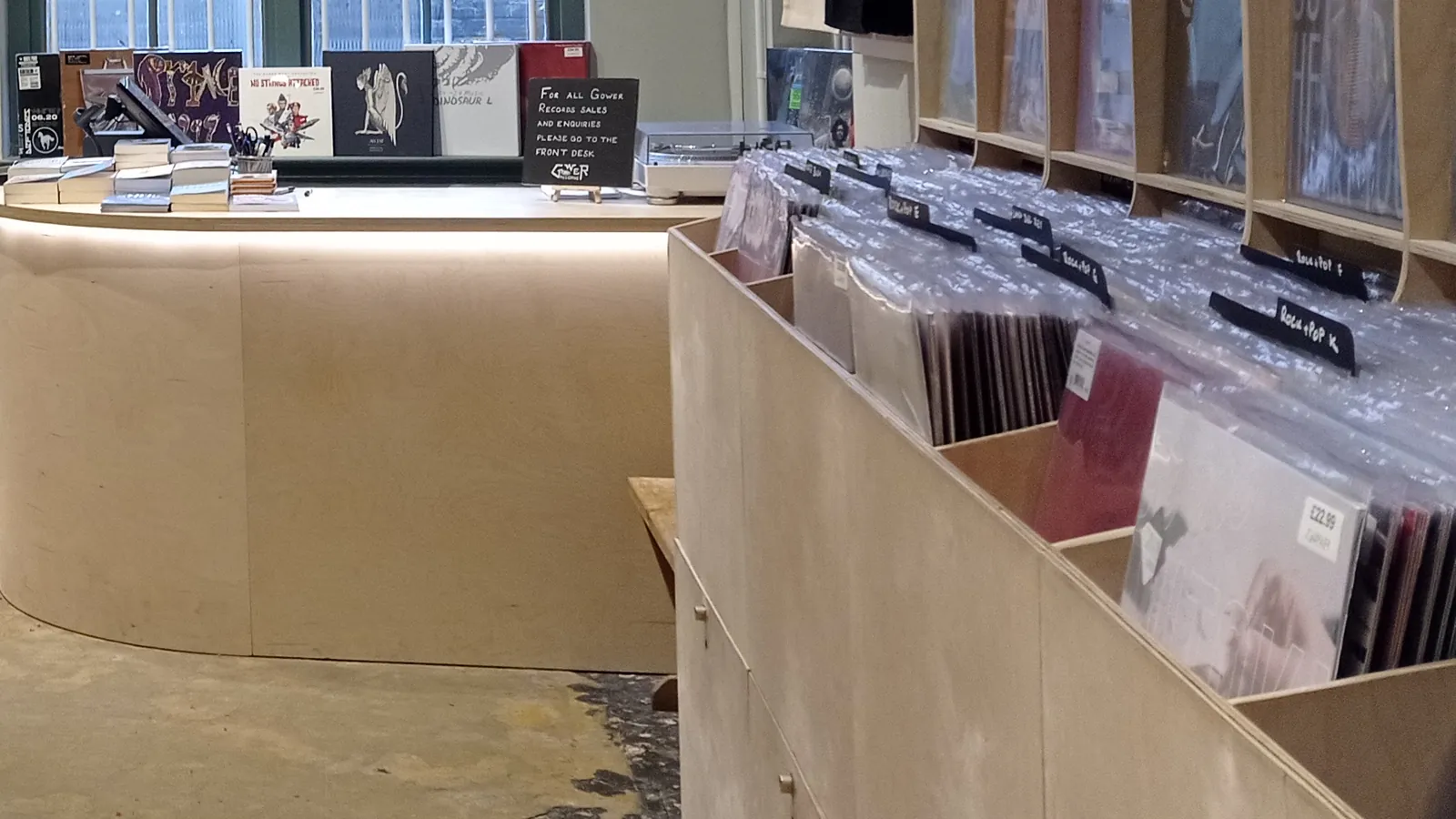

A hype sticker is the promotional sticker a record label puts on a new record, usually on the shrink-wrap and sometimes on the sleeve itself, to tell shoppers what is inside: "Includes the hit single…", a coloured vinyl edition, a new remaster. Atlas Records defines it as "a promotional label affixed to the outer shrink wrap of a new product" and dates it to the mid-1960s, when the designer Craig Braun started putting stickers on LPs.
A shop's price tag is not a hype sticker: one describes a sale, the other the release. Collectors don't agree on keeping them: in a Steve Hoffman Music Forum poll cited by Phoenix New Times, most respondents said they "always throw them away," while a similar poll on Discogs leaned towards keeping them.
Hype sticker vs price sticker: what counts
Phoenix New Times describes hype stickers as "those decals that record companies attach to album and CD jackets, usually to tell us what hit songs they contain." A copy of Wham!'s Make It Big in that article carries both: "your price sticker from Sam Goody" and "a nice little sticker telling you what hit single you're going to find on this LP." In between sits the label's own price line, the "generic stickers used by record companies to designate their mid-priced back catalog": Columbia's "Nice Price", Arista's "Sound Price", WEA's "Extra Value!".
Discogs draws another line. Its image guidelines want the primary image of a release unobstructed, "without packaging such as shrinkwrap or jewel cases, or promotional material such as hype stickers," while "permanent features such as obis" should be the primary image when possible. That is the difference from the paper band on Japanese records, covered in our guide to the obi strip: the obi counts as part of the release, the hype sticker as promotion.
Where the hype sticker came from
The usual credit goes to Craig Braun, who went into the print industry in New York in 1964, according to Long Live Vinyl. "I created a gimmick, which was a self-adhesive label on albums emblazoned with 'includes the hit single'," he told the magazine in 2018. "The first was for an Elvis album, so if you had this sticker on the upper third of an LP's shrinkwrap, it sold a lot more albums." He then "took it to every record company" as a broker. None of the accounts we read names the Elvis album.
Hi-Fi News adds that LPs had until then been "shrink-wrapped bare, sans any information," and that before the internet a sticker was one of the few ways for a shopper to learn what they were buying. Atlas notes that few labels used them at first, "due to the fear of them detracting from the album artwork itself."
The story rests mainly on Braun's own telling. A collector quoted by Phoenix New Times believed an earlier sticker came on Frank Sinatra's 1955 LP The Voice, though "no one has ever really seen that one."
The sticker has changed since. Atlas says it went from plain text on a white label to full colour and small images, and Mike Mettler, in Hi-Fi News, finds today's stickers "more informational and less carnival-barking," often about mastering: he describes an Eddie Money reissue whose shrink-wrap carried two stickers about "100% analog masters". Other Record Labels, which teaches people to run independent labels, suggests using the sticker for the vinyl colour, since "the record is locked in cellophane," for a QR code, and even for the barcode, so the jacket can "stay clean and minimal."
On the shrink-wrap or on the sleeve
Most hype stickers sit on the shrink-wrap, but not all: Atlas notes that "many hype stickers from the 60s onwards were stuck directly over the album artwork of a record's sleeve," and a member of a Discogs forum thread wrote in 2021 that labels add them "either directly onto the release, or onto the shrink-wrap."
A sticker on the shrink-wrap leaves with the wrap unless someone saves it. One on the sleeve is part of the jacket, and removing it puts the cover at risk: in the same thread, one member warned that shop stickers on sleeves "get stuck hard" after 20 to 30 years and can "take the top coat of laminate with it."
Grading guides don't name hype stickers. Goldmine's grading guide says someone may have "stamped a price tag" on a Very Good cover, and Discogs, which grades by the Goldmine standard, says in How To Grade Items that a Very Good record may have "tape or stickers (or their residue) attached" to its labels, and "the same will be true of picture sleeves or LP covers." Neither covers a sticker the label applied to the sleeve, so describe it rather than leave the buyer to guess, and grade the cover as our guide to the Goldmine scale explains.
What a hype sticker tells you about a pressing
Each kind of sticker tells you something different:
| Sticker | Example | What it tells you | Keep it? |
|---|---|---|---|
| Hit single | "Contains the hit single 'Don't Cry Out Loud'" | What the label was pushing when the record was new | Yes: part of the original package |
| Edition | Coloured vinyl, a numbered run, a bonus 7-inch | Which version is inside a sealed copy | Yes, and note it: it can be the only place that says so |
| Mastering or source | "100% analog masters" | How the label says the record was cut | Yes |
| Identity | Artist and tracks on a blank 12-inch sleeve; how to pronounce Sade | Who and what the record is when the sleeve doesn't say | Yes: sometimes the only place the artist or title appears |
| Label price line | "Nice Price", "Sound Price", "Extra Value!" | The copy was sold as mid-price back catalogue | Keep and note: it says how the copy was sold, not when it was pressed |
| Shop price | A Sam Goody price tag, an HMV "2 for £20" sticker | Where and for how much one copy was sold | Up to you; on the sleeve itself, it counts as wear |
In the Discogs thread, one member recalls 1990s hip-hop 12-inches that "came in blank sleeves" with only the sticker to name the artist and tracks. Another notes that a sticker can carry "added information about the release, like remastered or limited edition, etc. that is otherwise not printed on the release." Discogs' identifier rules ask contributors to declare data "taken from stickers."
A sticker doesn't date a pressing on its own. One forum member bought a then-current pressing of Prince's The Hits/The B-Sides that "still had the same hype sticker as 1993," complete with the line about the video on VHS and laserdisc: "So they don't necessarily indicate an original pressing." A sticker on shrink-wrap is only as reliable as the wrap, too: Goldmine warns that sealed LPs "may have been re-sealed." Loose stickers prove even less, since an Etsy seller offers "replacement" hype stickers for recent pop LPs from USD 4 a sticker. Check the label, catalogue number and run-out, as you would to identify a first pressing.
A hype sticker tells you how a record was sold. The label and the run-out tell you what it is.
Does a hype sticker add value?
Sometimes a little, occasionally a lot; no source puts a fixed figure on it. Goldmine's advice in a guide to selling a collection is measured: "If the album still has a hype sticker on it, mention it. Yes, this can add to the appeal of a record." Collectors who keep them mostly want completeness: "I like to keep them, to have everything that was part of the original package," one respondent wrote in the Discogs poll quoted by Phoenix New Times.
Scarcity makes the difference. As a Discogs forum member put it, most people "throw them in the trash along with the shrinkwrap," so stickers still on their original wrap "can be very attractive." A few are collected for themselves. Atlas Records singles out stickers made for two issues of The Beatles' White Album, orange or white, listing the band and the tracks. They went over the shrink-wrap, and few late-1960s albums have survived unopened. Atlas says each can fetch "upwards of nine hundred dollars" online, and into the thousands with the right issue of the album, without saying whether those are asking prices or sales.
On sealed records, the sticker is part of a bigger question. Goldmine says still-sealed albums "can — and do — bring even higher prices," but the record may have been resealed, may not be the pressing you expect, or may not even be the right record, so describe such a copy as "sealed" rather than "mint".
Prices built on listings need the same care. Sleevewise shows a record's value as the lowest price that exact release is currently listed at on the Discogs Marketplace: an asking price for the release as a whole, not a sale, and it can't tell you whether the cheapest copy still has its sticker or its shrink-wrap. Read the seller's description before comparing it with a complete copy.
Do this in the app:Sleevewise · Value
How to keep a hype sticker when the shrink-wrap comes off
Collectors use a handful of methods:
- Leave the shrink-wrap on. Mettler did, "before I could afford to buy protective plastic outer sleeves in bulk." Music Gearheads notes the case against: the wrap "tightens over time" and "might cause your records to warp."
- Cut the sticker out. Cut around the sticker with scissors, keeping a margin of plastic, as Music Gearheads describes.
- Peel it off first. A collector quoted by Phoenix New Times peels stickers off before opening the record and tucks them inside the sleeve. Music Gearheads suggests warming the sticker with a hairdryer "for about 5 seconds", and warns that peeling it cold is where "most folks fail miserably."
- Move it to the outer sleeve. Atlas describes collectors moving them to "other parts of the record's housing"; Mettler puts them inside his protective sleeves; a Discogs forum member tapes them to the outer poly bag.
- Stick it on the cover. Mettler sometimes does, "as long as they don't cover up any key words or important artwork elements." Bear in mind that the grading standard Discogs uses lists stickers or their residue on LP covers among the marks of a Very Good copy, whoever put them there.
Frequently asked questions
01What is a hype sticker on a vinyl record?
It is a promotional sticker the label puts on a new record, usually on the shrink-wrap and sometimes on the sleeve, to tell shoppers what is inside: a hit single, a coloured vinyl edition, a remaster. A shop's price tag is not a hype sticker.
02Should I keep the hype sticker?
If you care about completeness or resale, yes. Goldmine advises sellers to mention a surviving hype sticker because it can add to a record's appeal. Collectors cut it out of the shrink-wrap or peel it off and keep it in the outer sleeve.
03Does a hype sticker add value to a record?
It can add appeal, but no source gives a fixed premium. A few rare stickers are collected on their own: Atlas Records says some made for The Beatles' White Album can fetch more than 900 dollars online.
Noting a hype sticker in your collection
Whatever you do with the sticker, write it down: photograph it in place, copy out its text, and note where it is, on the original shrink-wrap, on the sleeve or loose in the outer sleeve. Our guide to cataloguing a record collection covers the other details worth keeping for each copy.
In Sleevewise, the This copy panel on each record keeps whether your copy has its hype sticker, alongside its OBI and inserts, and the app grades media and sleeve on the Goldmine scale. You can follow what your records are worth on vinyl record value, and keep the details of every copy in your vinyl collection.
Sources
- What Is A Hype Sticker? Giving Records More Visual Appeal — Atlas Records, 9 March 2023
- The Braun Legacy: Craig Braun — Long Live Vinyl, 31 May 2018
- Believe the hype — Hi-Fi News, 24 May 2026
- Love Them or Hate Them, Record Album Hype Stickers Tell a Story of Their Own — Phoenix New Times, 1 July 2021
- The Hype Stickers on Vinyl Records — Other Record Labels, accessed 5 October 2026
- What's so cool about a Hype Sticker...? — Discogs Forum, 10 December 2021
- Database Guidelines 13. Images — Discogs Support, updated 10 April 2026
- Database Guidelines 5. Barcodes & Identifiers — Discogs Support, updated 31 March 2026
- How To Grade Items — Discogs Support, updated 22 July 2026
- Collecting 101: Grading Your Records — Goldmine, updated 20 January 2026
- How to downsize a record collection — Goldmine, 21 September 2022
- How Do You Save Hype Stickers? — Music Gearheads, 5 October 2022
- Hype Sticker - Vinyl Record Hype Stickers, Replacement Sticker — Etsy, accessed 5 October 2026
Keep digging
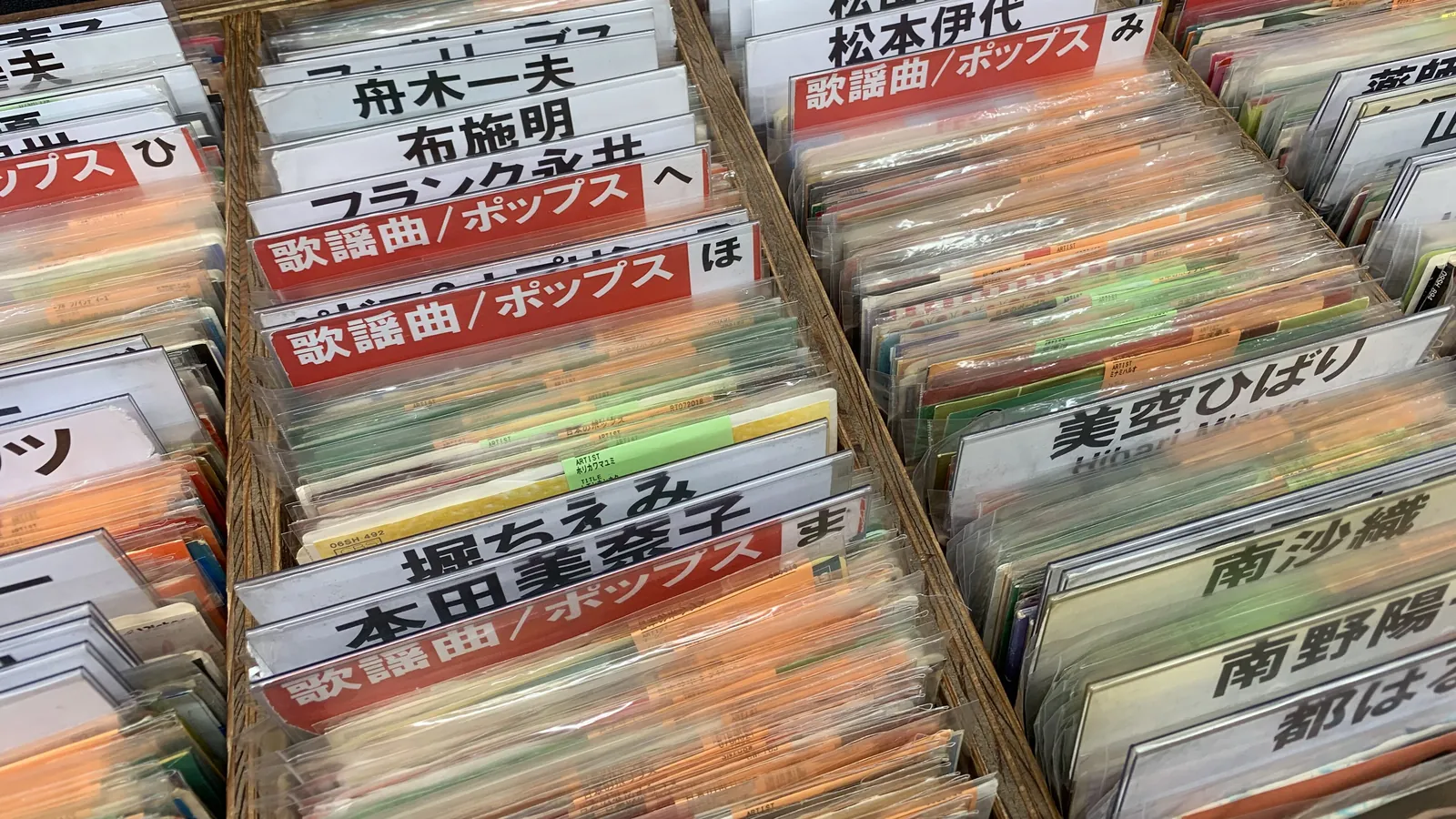
Obi Strip Value: A Guide to the Paper Band on Japanese Vinyl
An obi strip is the paper band on Japanese vinyl giving title, price and catalogue number in Japanese. What it says, why it adds value and how to spot fakes.
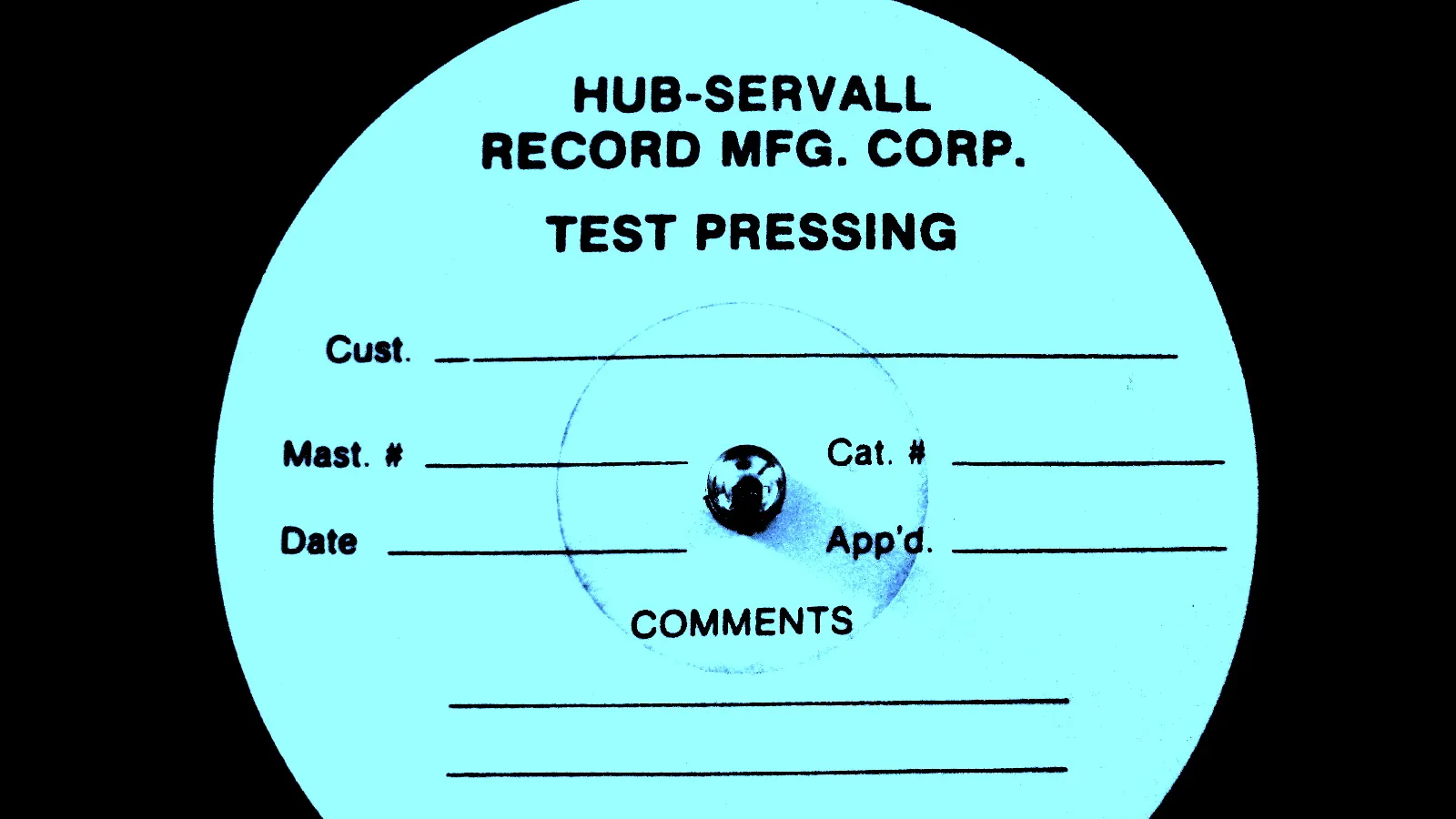
Test Pressing vs Promo vs White Label: How to Tell Them Apart
A test pressing checks the sound before a run, a promo goes to radio and press, a white label has no print. How to tell them apart and what drives their value.
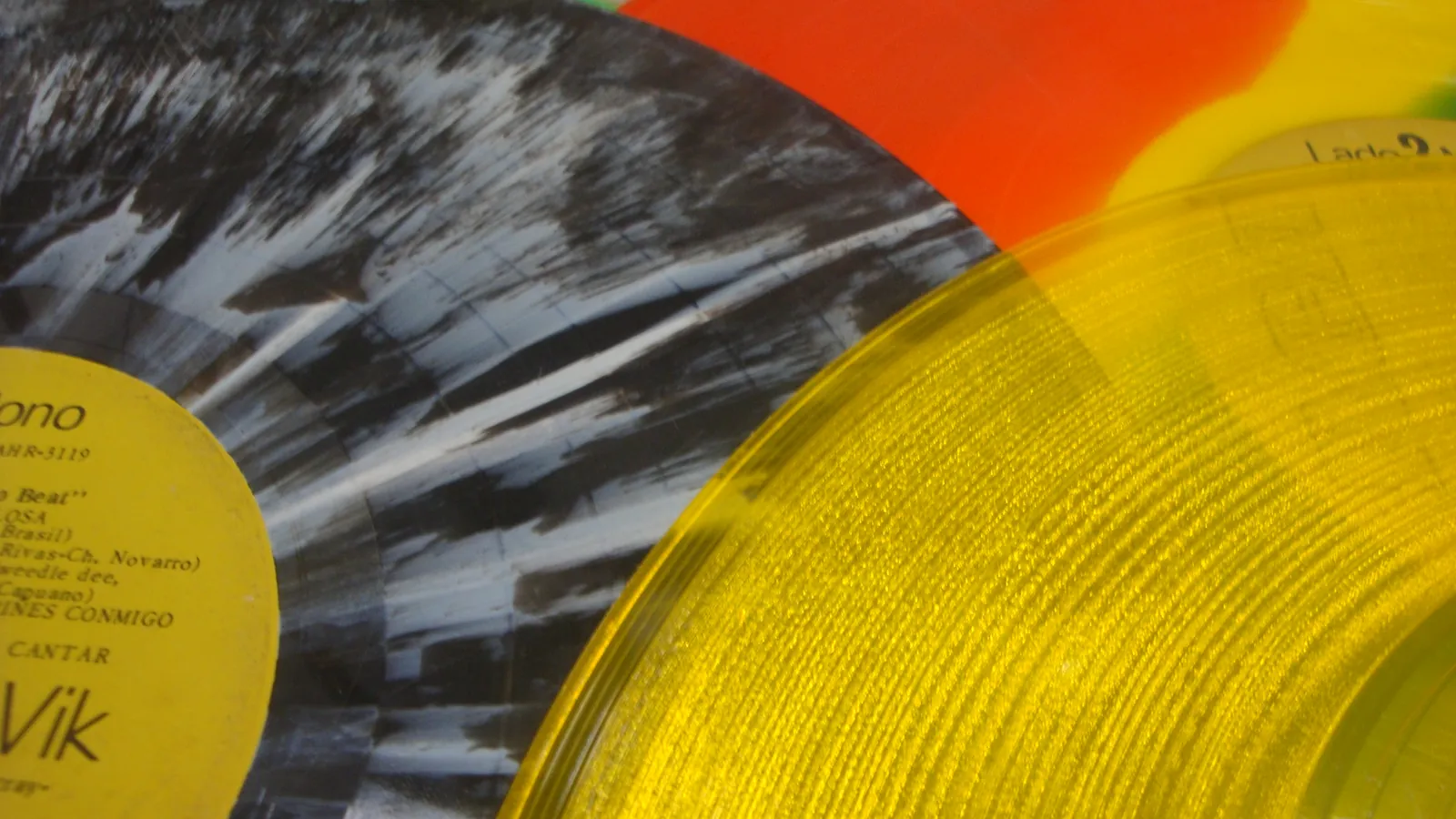
Colored Vinyl vs Black: Does It Sound Worse?
Solid and translucent colours generally sound the same as black vinyl today. Marble, splatter and picture discs are the riskier tiers to know.